
2025 - Aging, Design & Healing
In 2025, Aging, Design & Healing continued to develop the interdisciplinary framework established in previous years while placing a stronger emphasis on empathy, health, and cultural awareness in design. The course explored aging through multiple perspectives, including public health, healthcare practices, therapy, and inclusive design, encouraging students to think critically about how design can support the wellbeing and dignity of older adults.
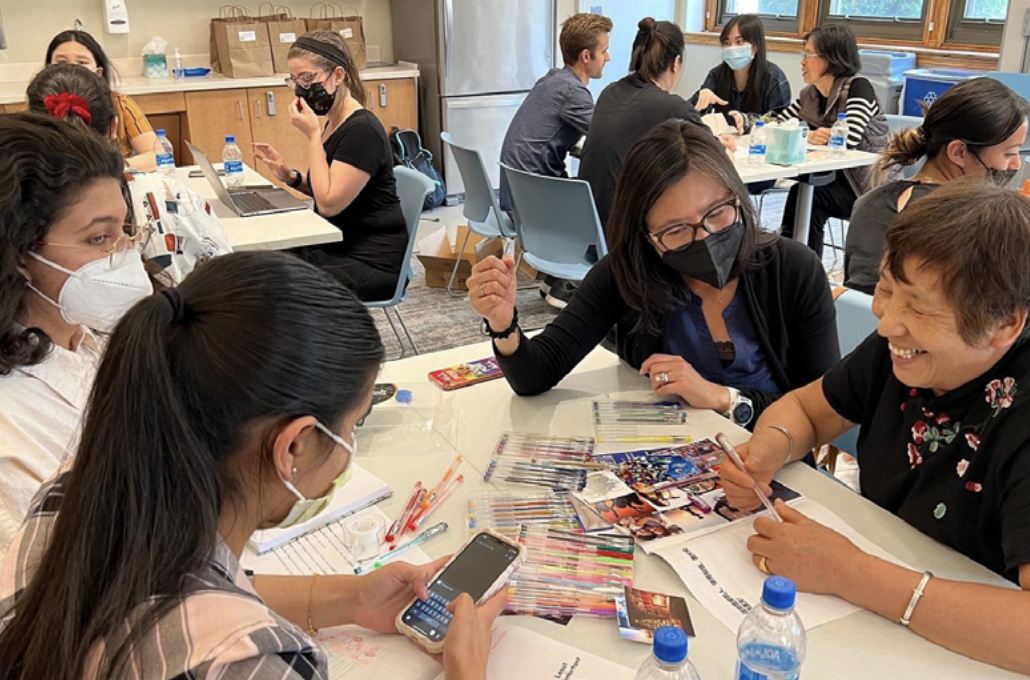
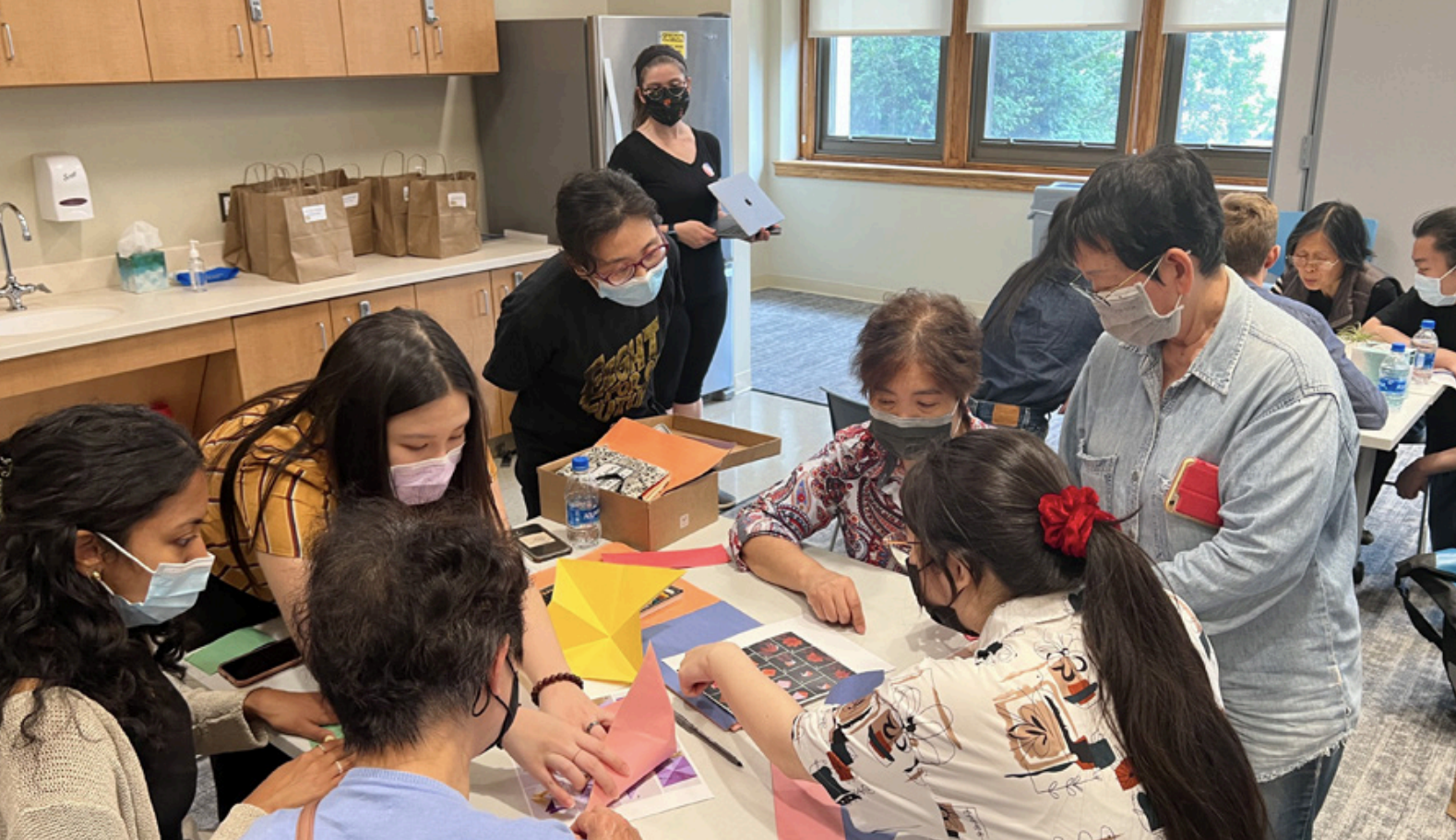
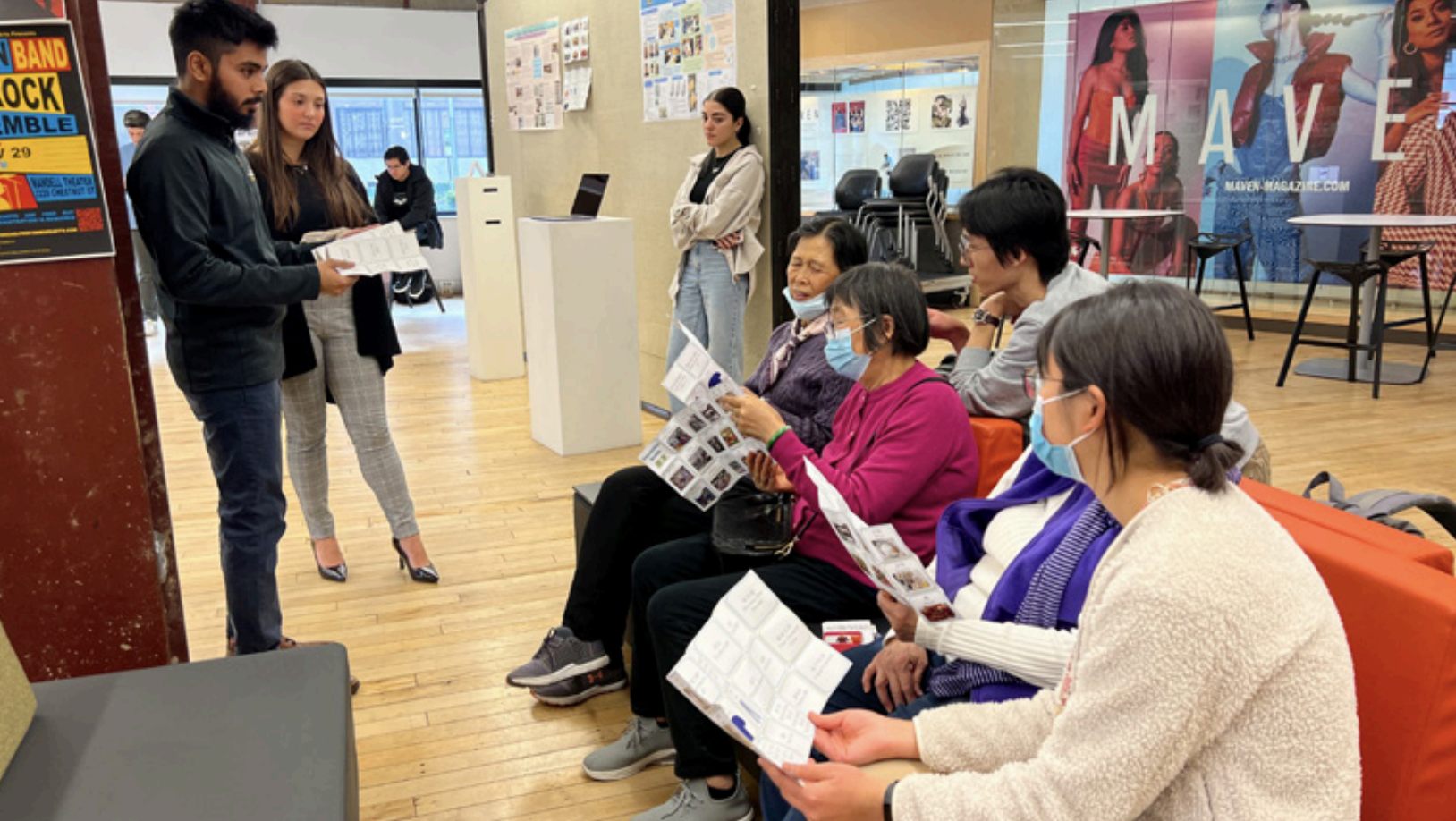
Through seminars, discussions, and interactive learning activities, students examined topics such as ageism, implicit bias, and the social challenges that aging communities face. Guest speakers from diverse fields, including design, healthcare, and art therapy, contributed to the learning experience, offering students new perspectives on how creative practice can intersect with healing and care. The course environment emphasized dialogue, reflection, and hands-on experimentation, allowing students to step outside their comfort zones and rethink common assumptions about aging. By approaching design through empathy and cultural understanding, students were encouraged to consider how thoughtful design can create more inclusive and supportive environments for older adults.

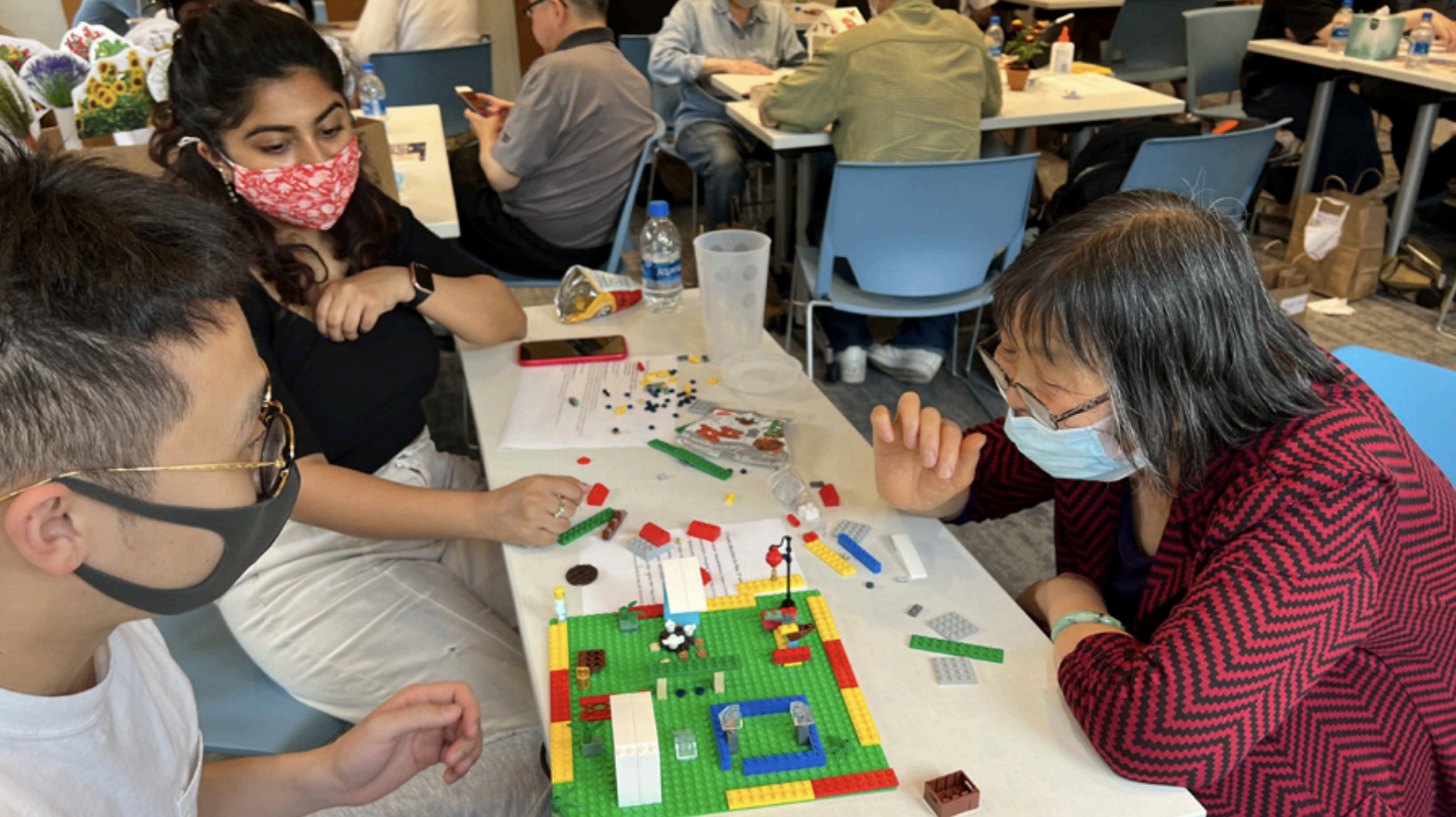
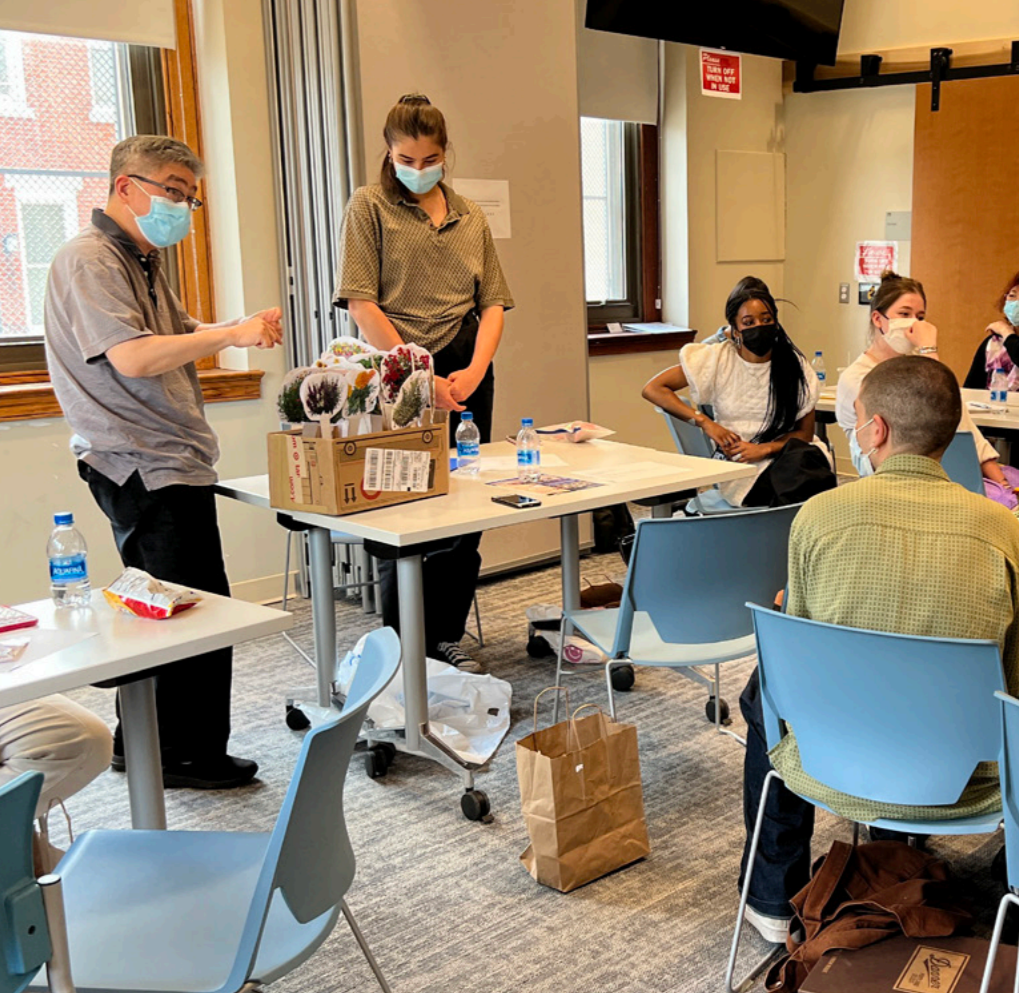
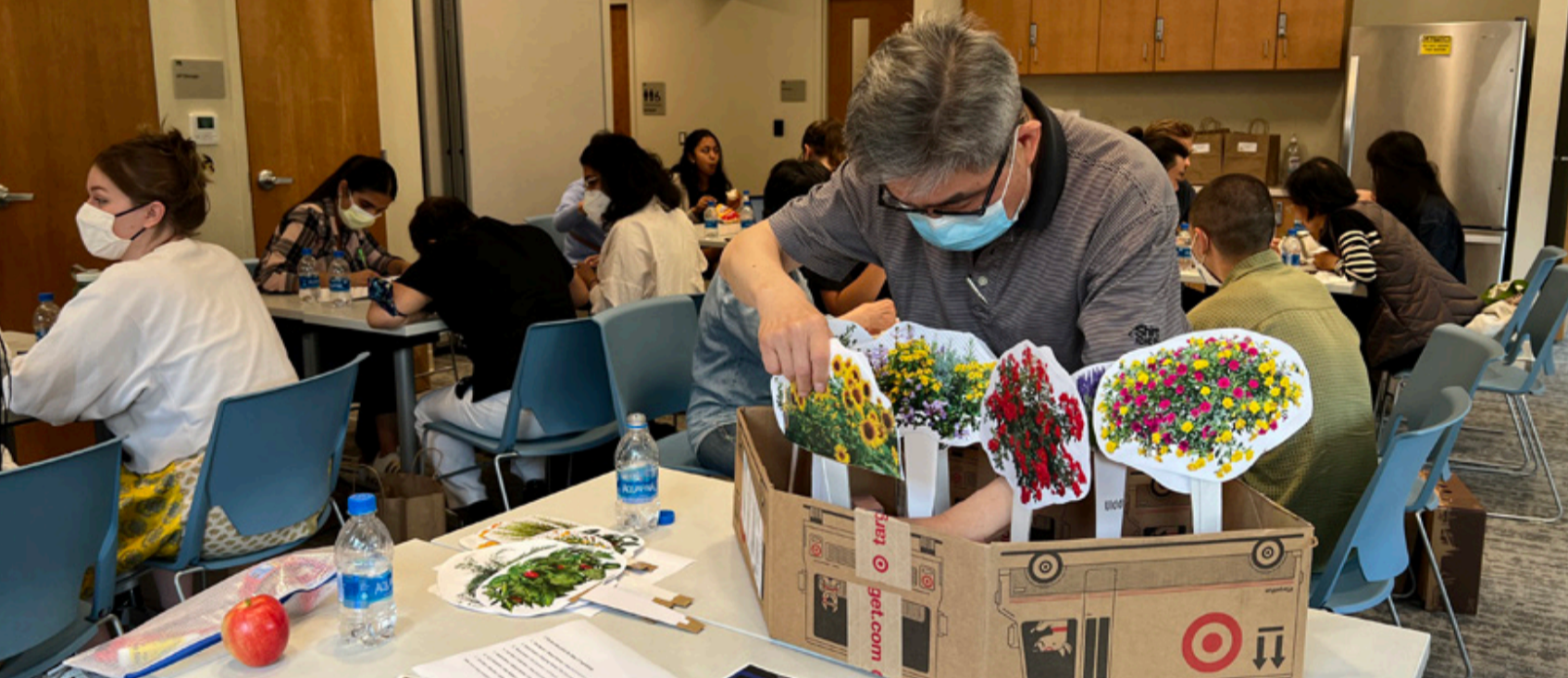
Outcome
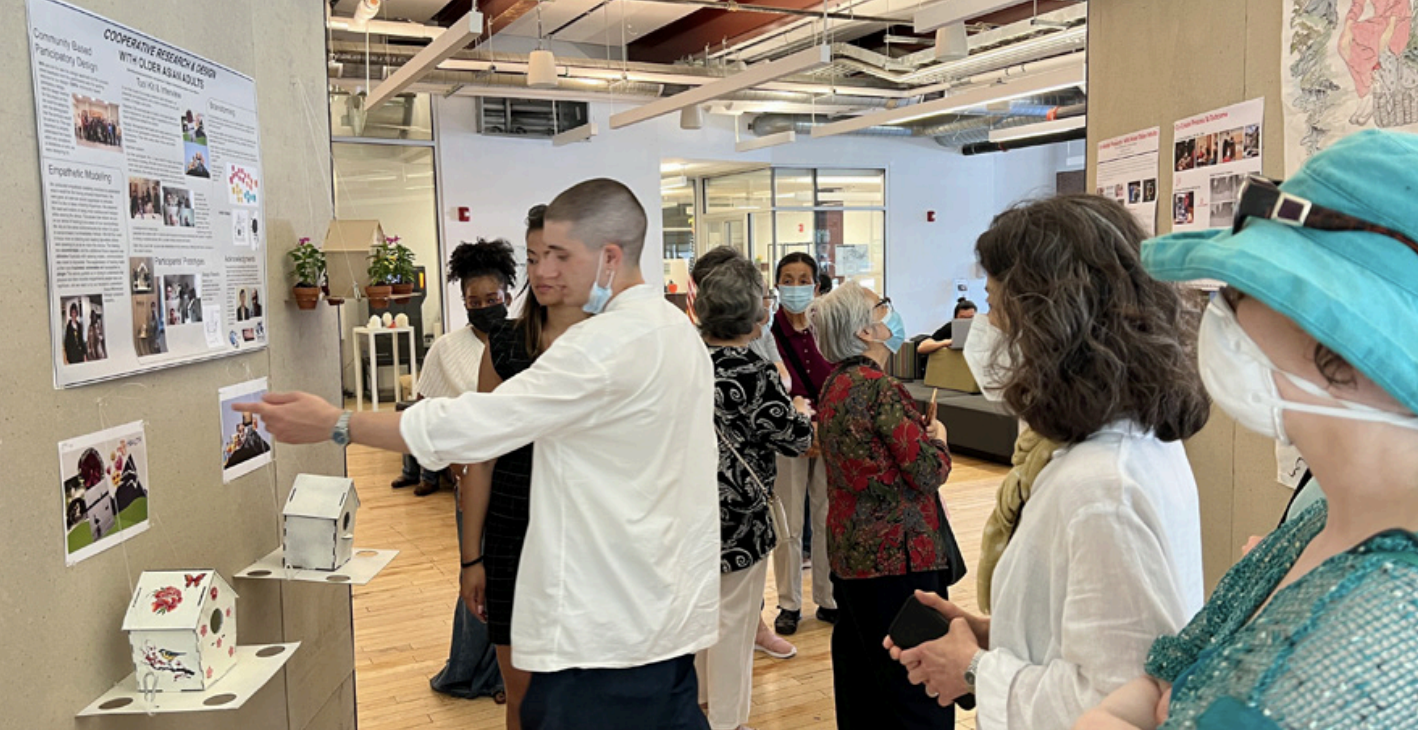
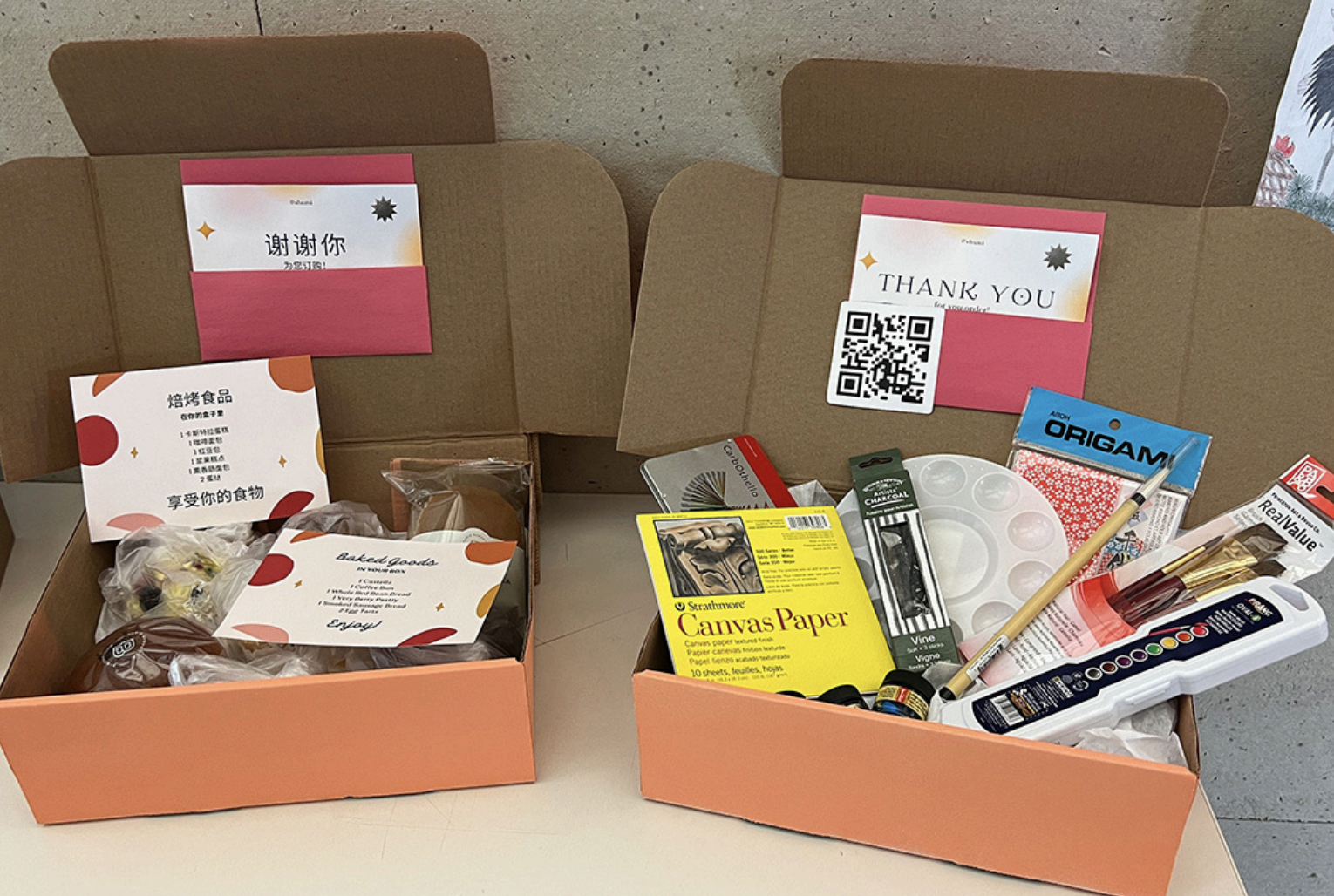
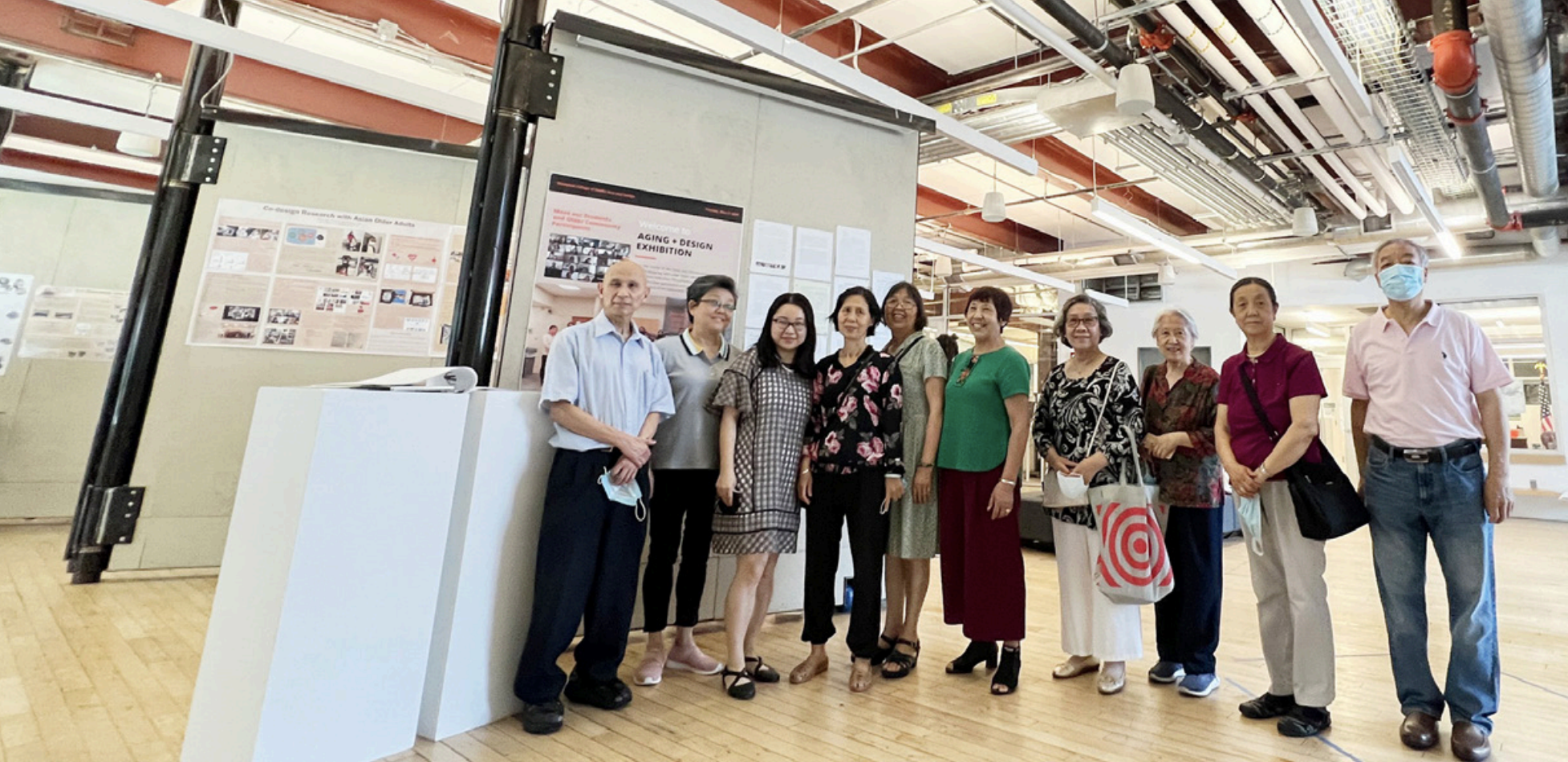
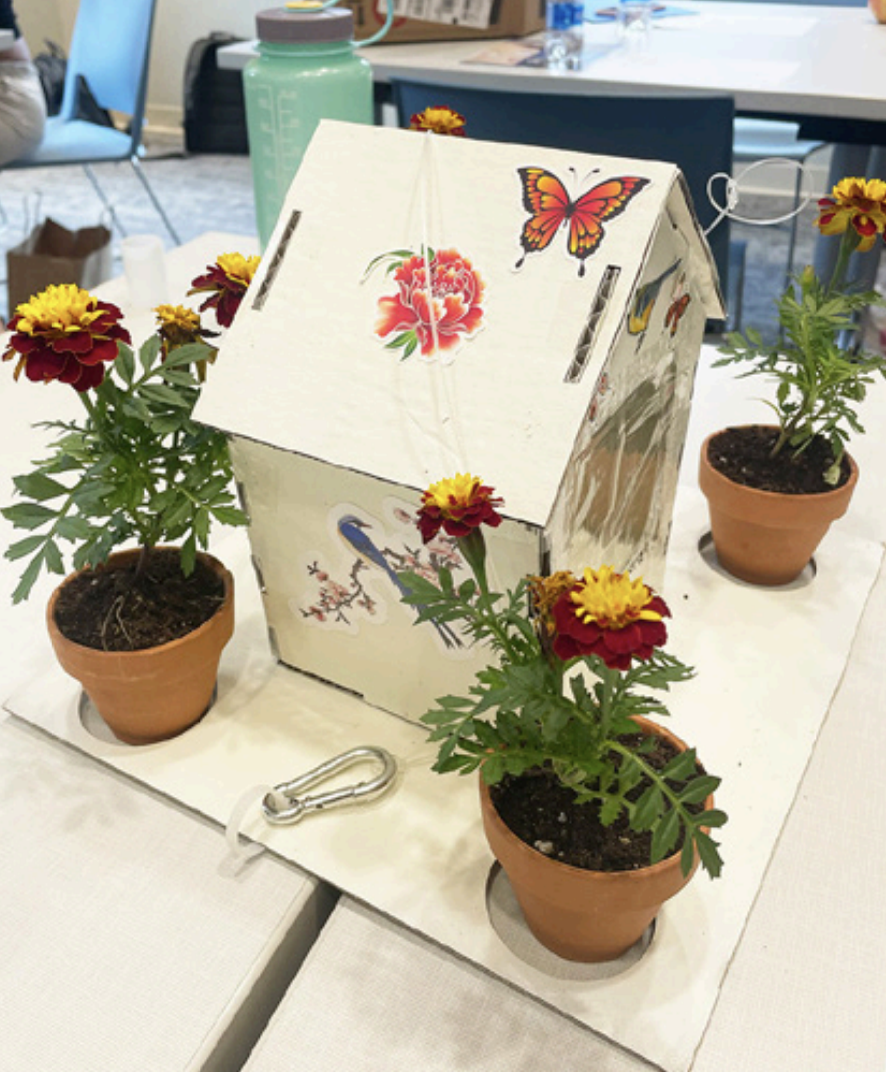
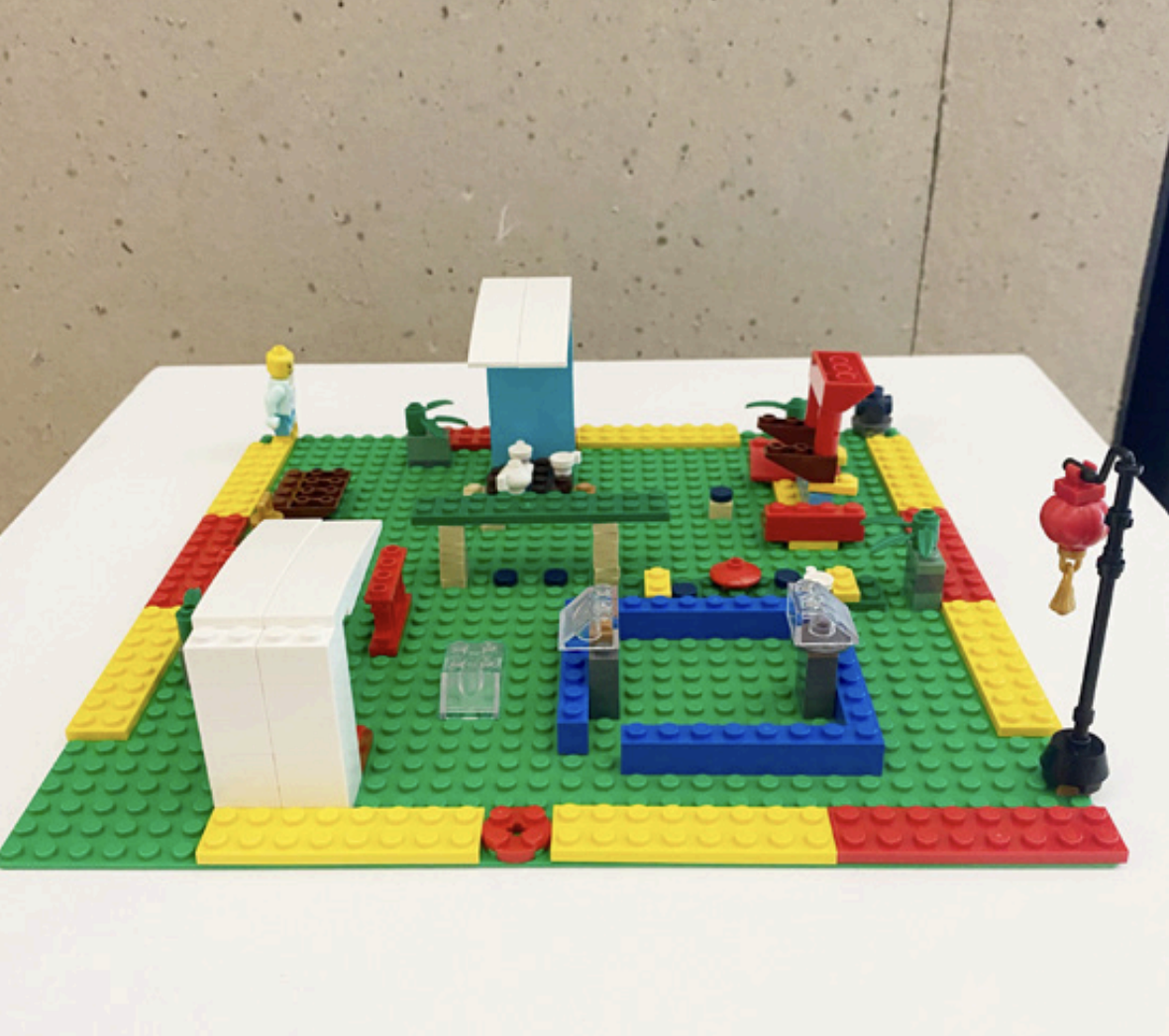
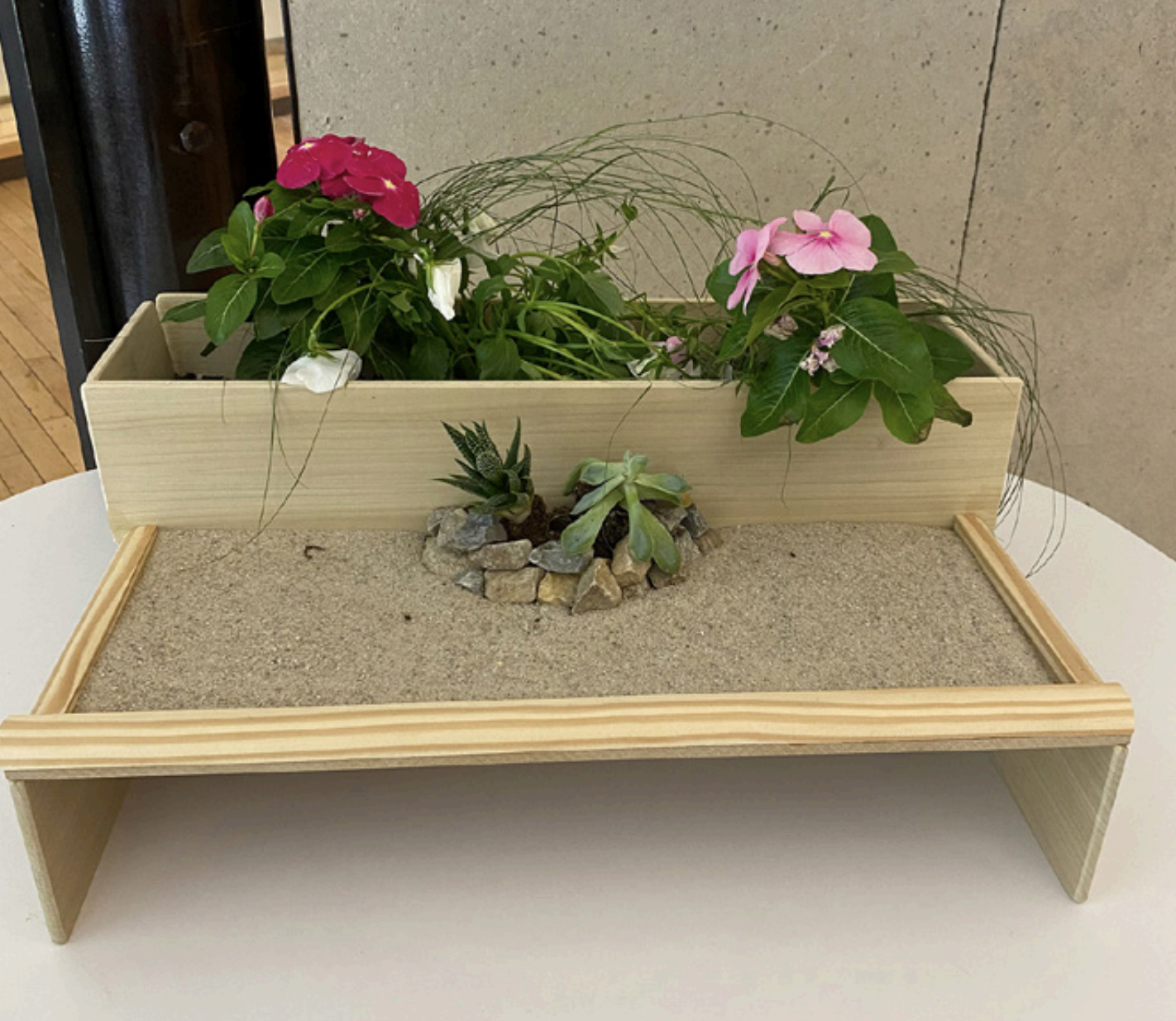
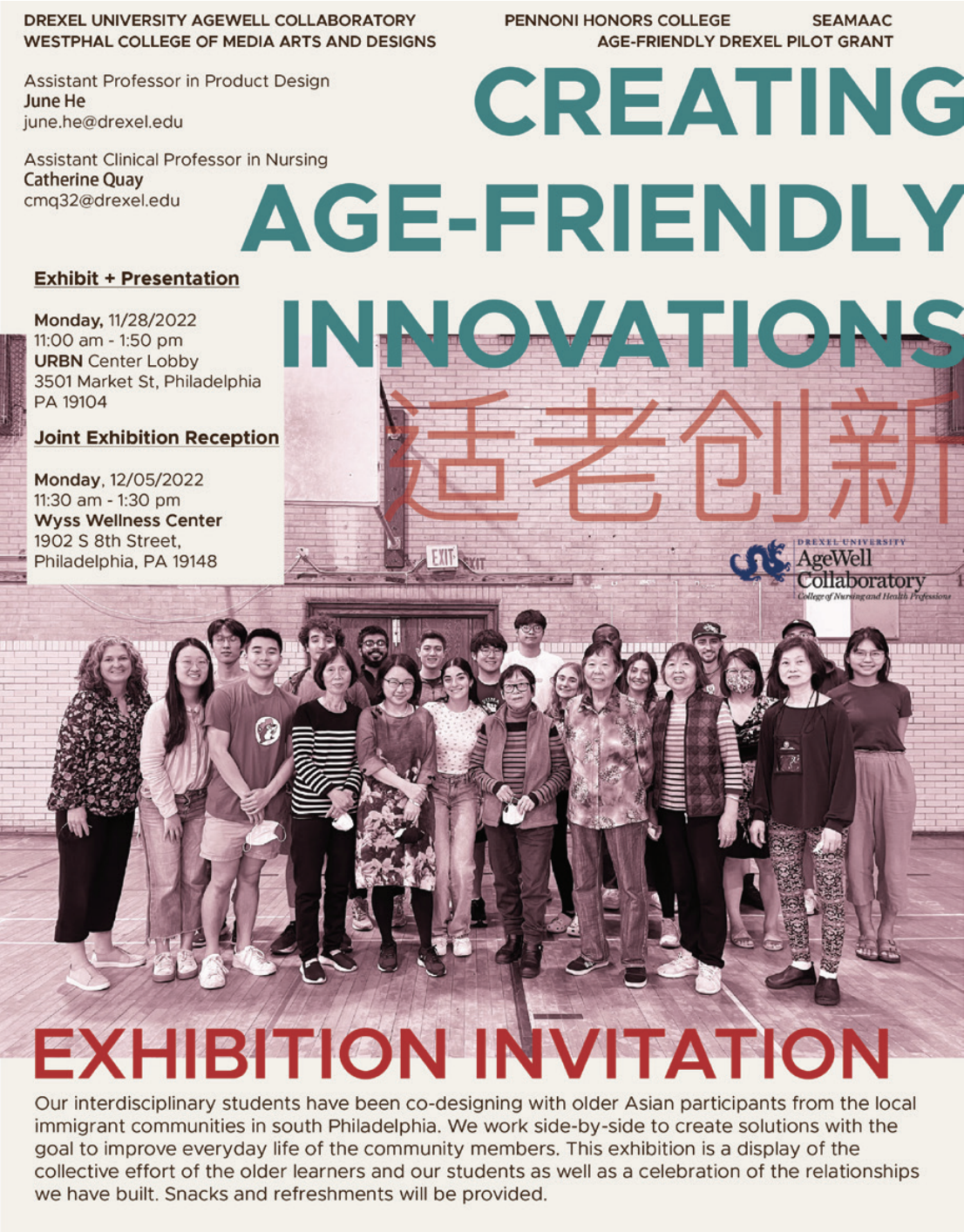
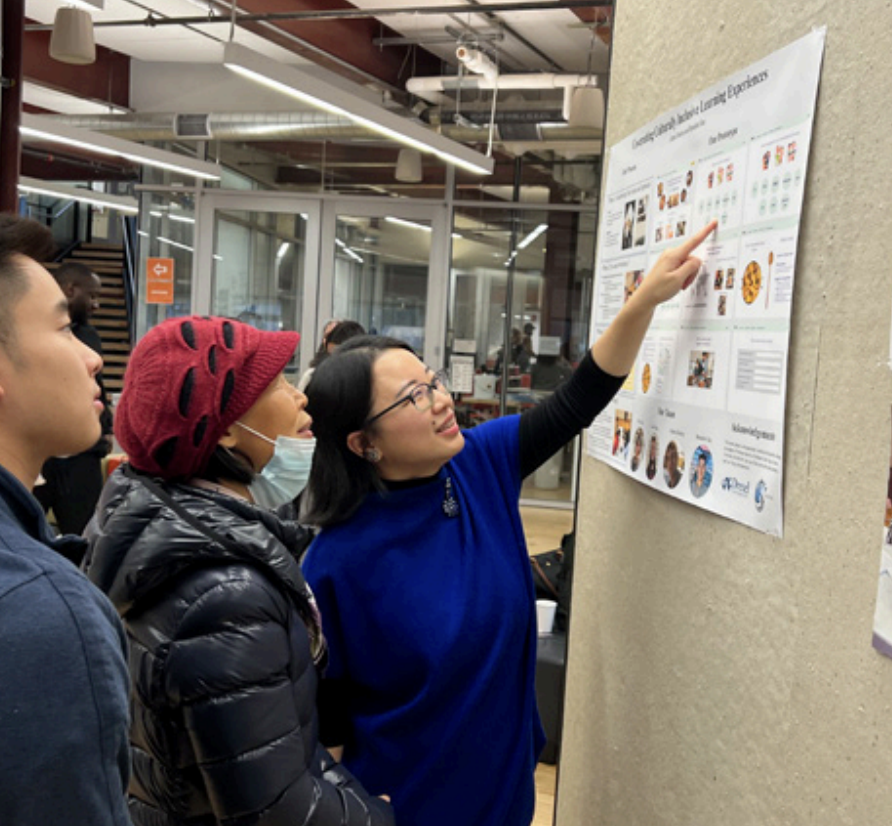
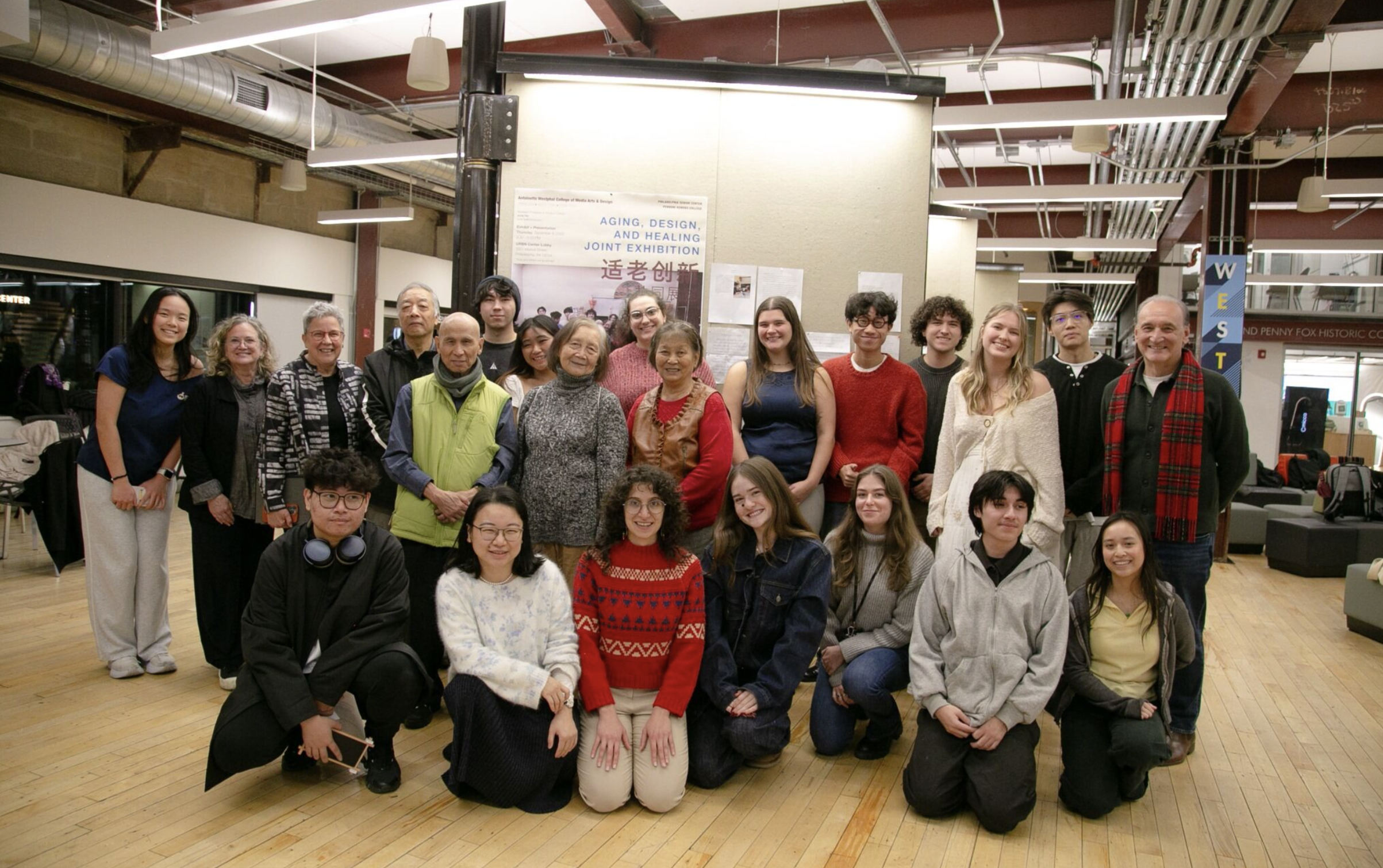
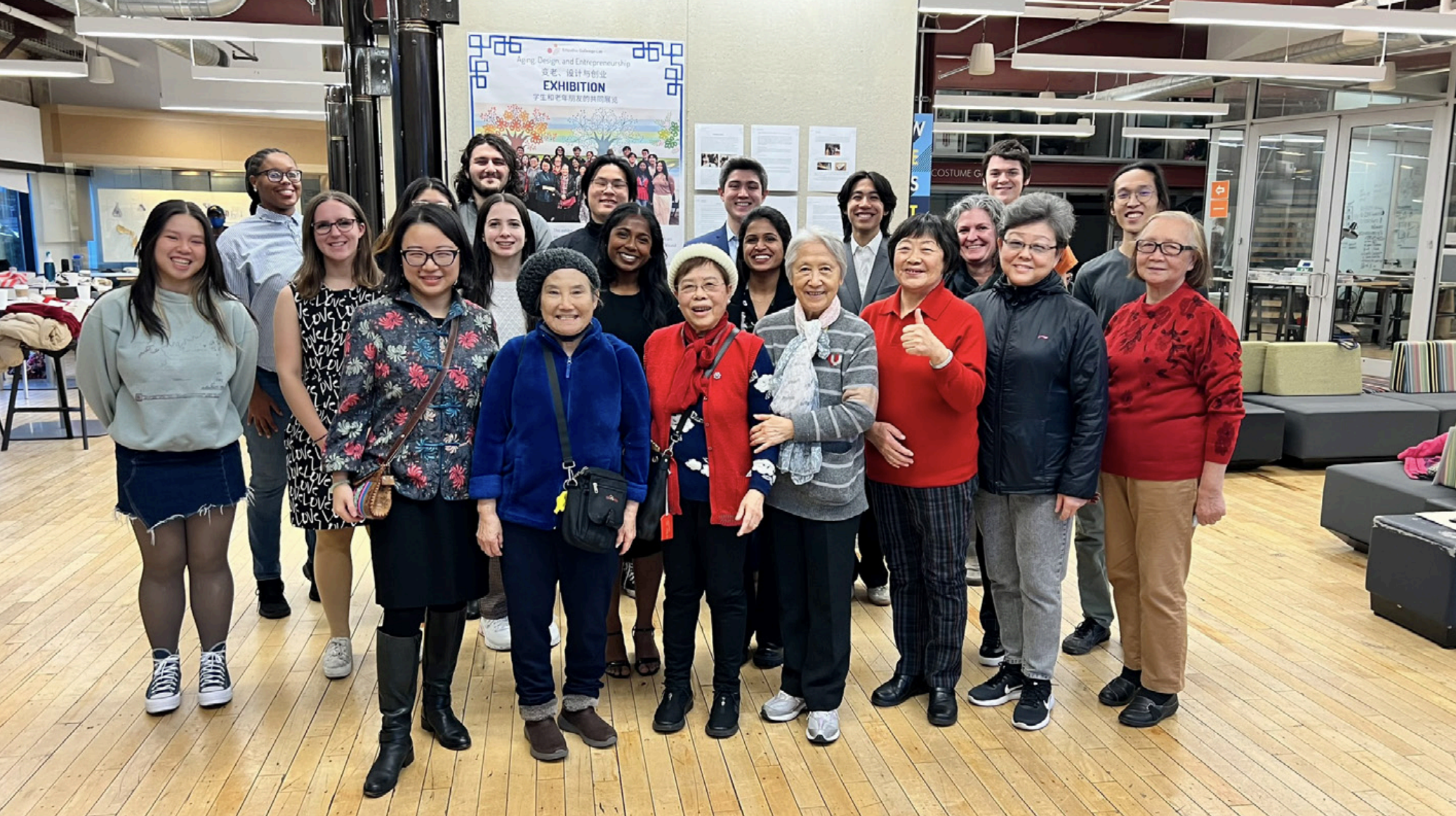
The outcomes of the 2025 course were reflected in a series of student concepts and prototypes that addressed both practical and emotional aspects of aging. Projects included ideas such as HaloLoop, a device designed to help families stay connected across distance, Pocket Pot, a concept for a community kitchen space, and The Bite Buddies subscription box that facilitates cultural food exchange experiences. Other prototypes focused on portable kitchen tools and everyday assistive devices that support independence and social engagement. Students documented their design process through posters and visual presentations that illustrated research insights, design iterations, and collaborative development. These projects were ultimately showcased in a final exhibition where students presented their concepts as examples of empathetic and human-centered design for aging communities.
““I realized that beyond her age she (one older participant) has the same experiences as people of other age groups as well. This was such a touching aspect because it allowed me to rethink my assumptions about getting older, and how getting older does not mean I will no longer enjoy life. It could be that I find new things that I enjoy once I get to a certain age, and it will be enough for me.””
““I learned about myself that I need to enjoy every stage of life because each one is a gift. This class taught me more about life and more about the world than I ever would have imagined.”


Interested in registering for the Aging & Design course series, being a faculty/community collaborator, or getting involved with the Empathic CoDesign Lab?
Contact Professor June He at jh3943@drexel.edu